
 Community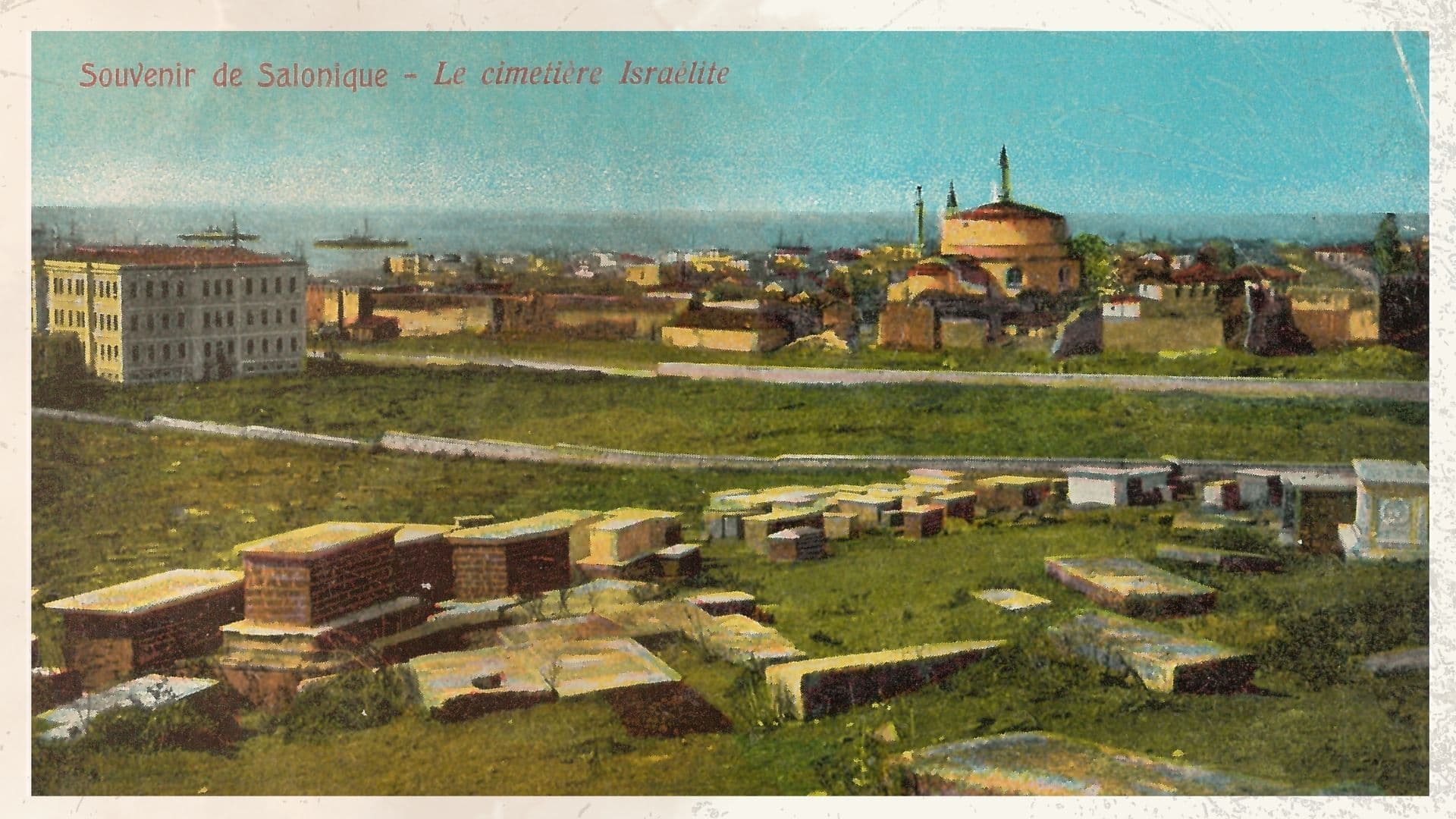
The Jewish Community of Thessaloniki is one of the longest-lived and most significant communities of the diaspora, with a history that begins as early as the Hellenistic and Roman periods. From the initial settlement of the Romaniote Jews to the mass arrival of Sephardic refugees after 1492, when they were expelled from Spain, the community developed rapidly and made Thessaloniki one of the most important Jewish centers worldwide. In the 16th century, the city acquired the title “Mother of Israel,” while the Jewish population gradually surpassed 70,000 by the end of the 19th century. The community developed strong institutions, philanthropic and educational organizations, as well as intense cultural and economic activity, playing a decisive role in the development of trade and craftsmanship, while also serving as a nucleus of social and political movements. Despite the disasters of the 20th century — most notably the Great Fire of 1917, the arson of the Campbell neighborhood in 1931, and the Nazi Occupation — the Community maintained its presence and cohesion until the Holocaust, when more than 46,000 Jews of Thessaloniki were deported and exterminated in the death camps. Today, the Jewish Community of Thessaloniki keeps its historical heritage alive, with active synagogues, a school, a nursing home, a Jewish Museum, and the future Holocaust Museum, in a city where memory continues to have a voice.